

Last updated November 11, 2026. Reviewed by the HomePilot editorial team.
Checklist · Winter roof
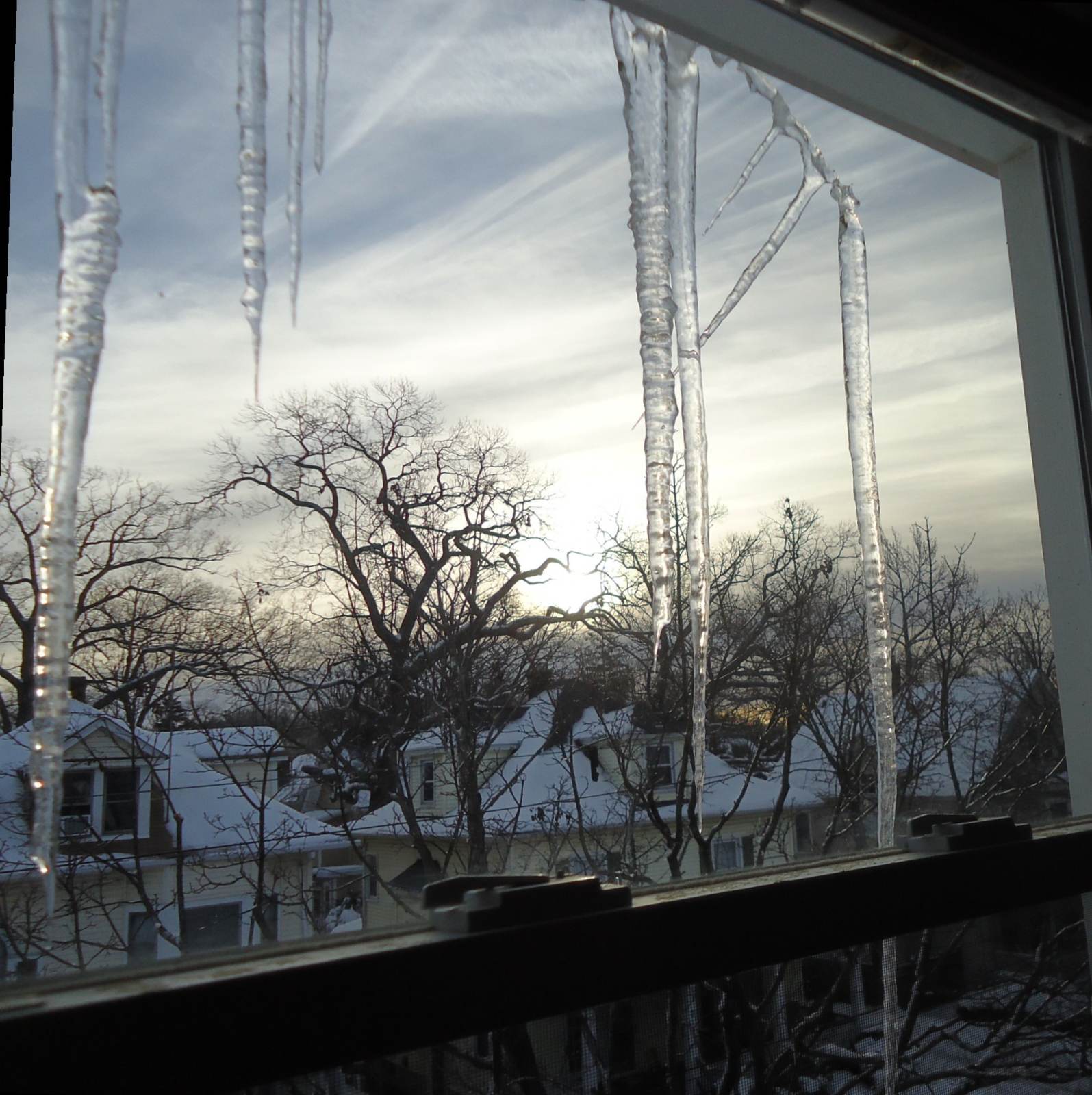
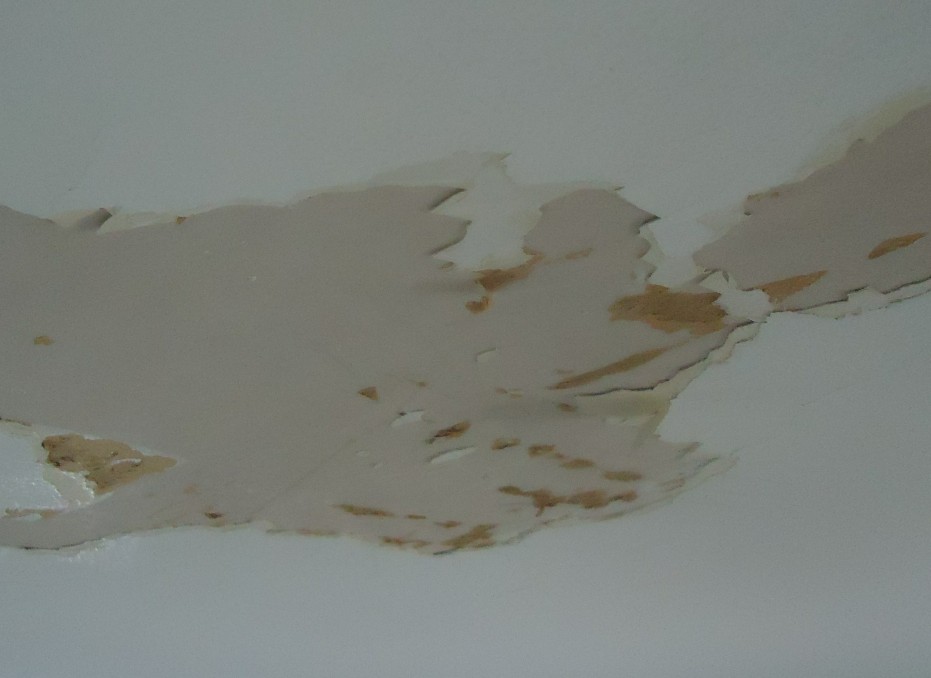
From the street, a row of icicles along the gutter looks like a holiday card. From the attic, it can look like a water stain spreading across the ceiling. Those icicles are often the visible edge of an ice dam: a ridge of ice at the roof’s edge that traps melting snow behind it until the water finds its way under the shingles and into your home.
By the HomePilot Team · Updated November 3, 2026 · Based on university extension and building-science guidance · How we research
Before you start: the short answer
Ice dams form when heat escaping from your home warms the roof, melting snow that then refreezes at the cold roof edge. The lasting fix is in the attic: seal air leaks first, then add insulation, and make sure the attic is ventilated, so the roof stays cold. In the short term, raking snow off the lower part of the roof and keeping gutters clear reduce the risk. Never climb onto an icy roof or hack at the ice.
What causes ice dams
Massachusetts’ state guidance puts it simply: ice dams form when there is snow on the roof, the outdoor temperature is below freezing, and the roof deck itself is above freezing. That last condition is the one you can control. Warm air leaking up from your living space, plus thin attic insulation, heats the roof from below. Snow melts on the warm upper roof, runs down to the eaves, which hang out over the cold outdoors, and freezes again. Day after day, the ridge of ice grows and water pools behind it.
Michigan State University Extension notes that the water backing up under shingles can damage insulation, ceilings and walls, and North Dakota State University warns of water stains, structural damage and mold.
The ice dam prevention checklist
Before snow season
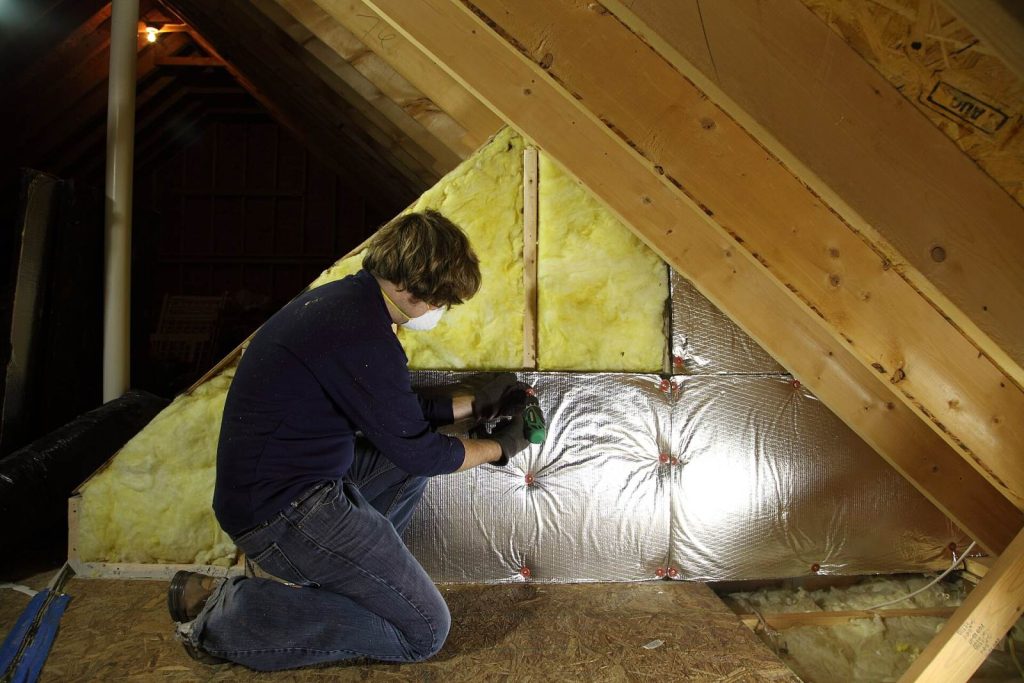
- Seal attic air leaks first. Gaps around light fixtures, plumbing and wiring holes, chimneys and the attic hatch let warm air pour into the attic. Home inspectors in snowy Minnesota say these air leaks are often the biggest cause of ice dams, ahead of insulation levels.
- Add attic insulation after the leaks are sealed. If you can see the tops of the floor joists, there is probably not enough.
- Check the attic ventilation. Soffit vents should not be blocked by insulation; baffles keep an air channel open. The University of Minnesota stresses that insulation alone will not prevent ice dams without adequate ventilation.
- Make sure exhaust fans vent outdoors. Bathroom, kitchen and dryer vents that dump warm, moist air into the attic make ice dams and attic frost worse.
- Seal and insulate any ductwork in the attic. Heating ducts in a cold attic are a common hidden heat source.
- Weatherstrip and insulate the attic hatch or pull-down stairs.
- Clean gutters and downspouts after the leaves fall so meltwater can drain.
During a snowy week
- Rake the lower few feet of the roof with a long-handled roof rake, from the ground, after heavy snow.
- Keep gutters and downspouts clear where you can reach them safely.
- Watch the eaves. Thick ice ridges and large icicles are an early warning.
- Check the attic with a flashlight for frost on nails, wet insulation or drips.
- Check ceilings and walls under the roof edge for new stains.
If an ice dam has already formed
- Do not chip, hammer or pry at the ice. It damages shingles and gutters, and working on an icy roof is dangerous.
- Remove snow above the dam with a roof rake from the ground so less meltwater feeds it.
- Call a professional who uses low-pressure steam to remove ice safely without damaging the roof.
- Catch leaks inside with buckets and towels, and move belongings away.
- Dry wet areas within 24 to 48 hours to prevent mold. See moisture and musty smells.
- Fix the cause in the attic once the weather allows, or it will happen again next storm.
Safety first
Never climb onto a snowy or icy roof. Use a roof rake from the ground, keep clear of falling ice and icicles, and stay well away from power lines. For anything you cannot reach safely, hire an insured professional.
Do heat cables work?
Electric heat cables, sometimes called heat tape, are laid in a zigzag along the roof edge and in gutters. They can keep channels open for meltwater, but they treat the symptom rather than the cause. The University of Minnesota notes that their melting effect reaches only a few inches from the cable, and the uneven melting can create new ice dams higher up the roof. They also use electricity every hour they run. Think of them as a backup for a problem area that cannot be fixed from the attic, not a first choice.
Ice dam myths
| Myth | Reality |
|---|---|
| Ice dams are caused by bad gutters | Gutters can make them worse, but the cause is heat warming the roof |
| More insulation always fixes it | Insulation helps most after air leaks are sealed; ventilation matters too |
| More attic vents alone will solve it | Ventilation helps keep the roof cold, but it cannot make up for big air leaks |
| Icicles are harmless decoration | Large icicles often mean an ice dam and can fall and injure someone |
A quick heat-loss check you can do after snowfall
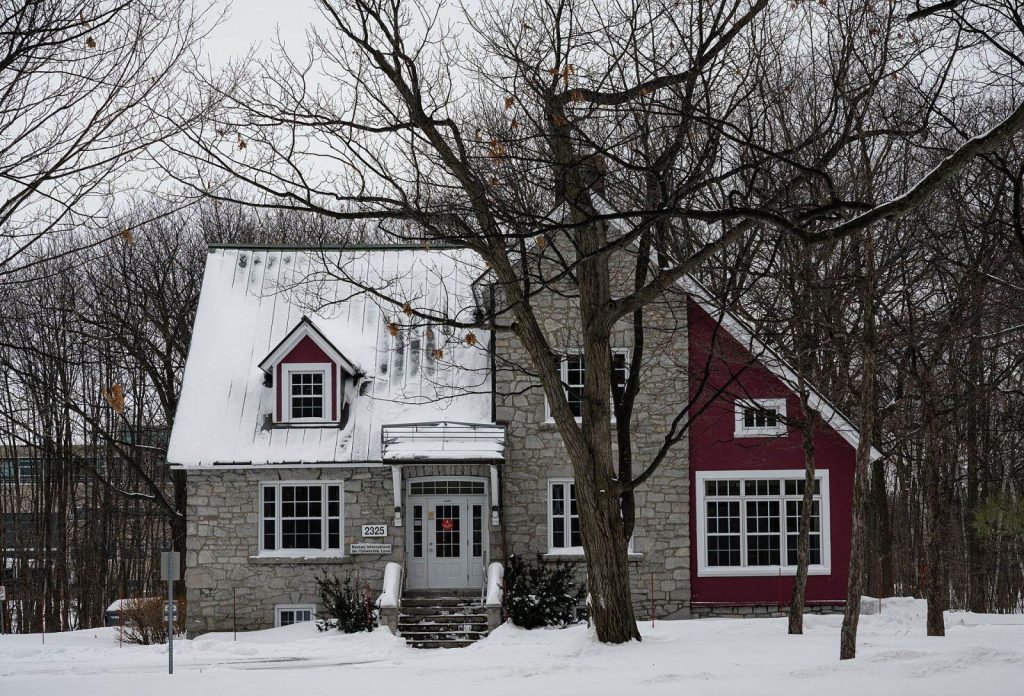
A day or two after a snowfall, look at your roof from the street. Snow should melt evenly. Bare patches high on the roof, or melted strips above certain rooms, show where heat is escaping, often above bathrooms, recessed lights, the attic hatch or ductwork. Compare with your neighbors’ roofs; a house that melts first is usually losing heat into the attic. Note those spots for your air-sealing list.
Sealing and insulating the attic also cuts heating costs and helps any room that runs cold; see why one room is colder than the rest.
Frequently asked questions
What causes ice dams on a roof?
Heat escaping from the home warms the roof deck, melting snow that then refreezes at the colder roof edge. The ridge of ice traps more meltwater, which can back up under the shingles.
How do I prevent ice dams?
Seal attic air leaks, add insulation and make sure the attic is ventilated so the roof stays cold. In snowy weeks, rake the lower roof from the ground and keep gutters clear.
Should I remove an ice dam myself?
Not by climbing on the roof or chipping the ice. Rake snow from the ground and hire a professional who uses low-pressure steam to remove the ice safely.
Do heat cables prevent ice dams?
They can keep drainage channels open, but they only melt a few inches around the cable and can cause new dams higher up. Fixing attic heat loss is the lasting solution.
Does homeowners insurance cover ice dam damage?
Many policies cover sudden water damage from ice dams, but coverage varies. Check your policy and document damage with photos.

