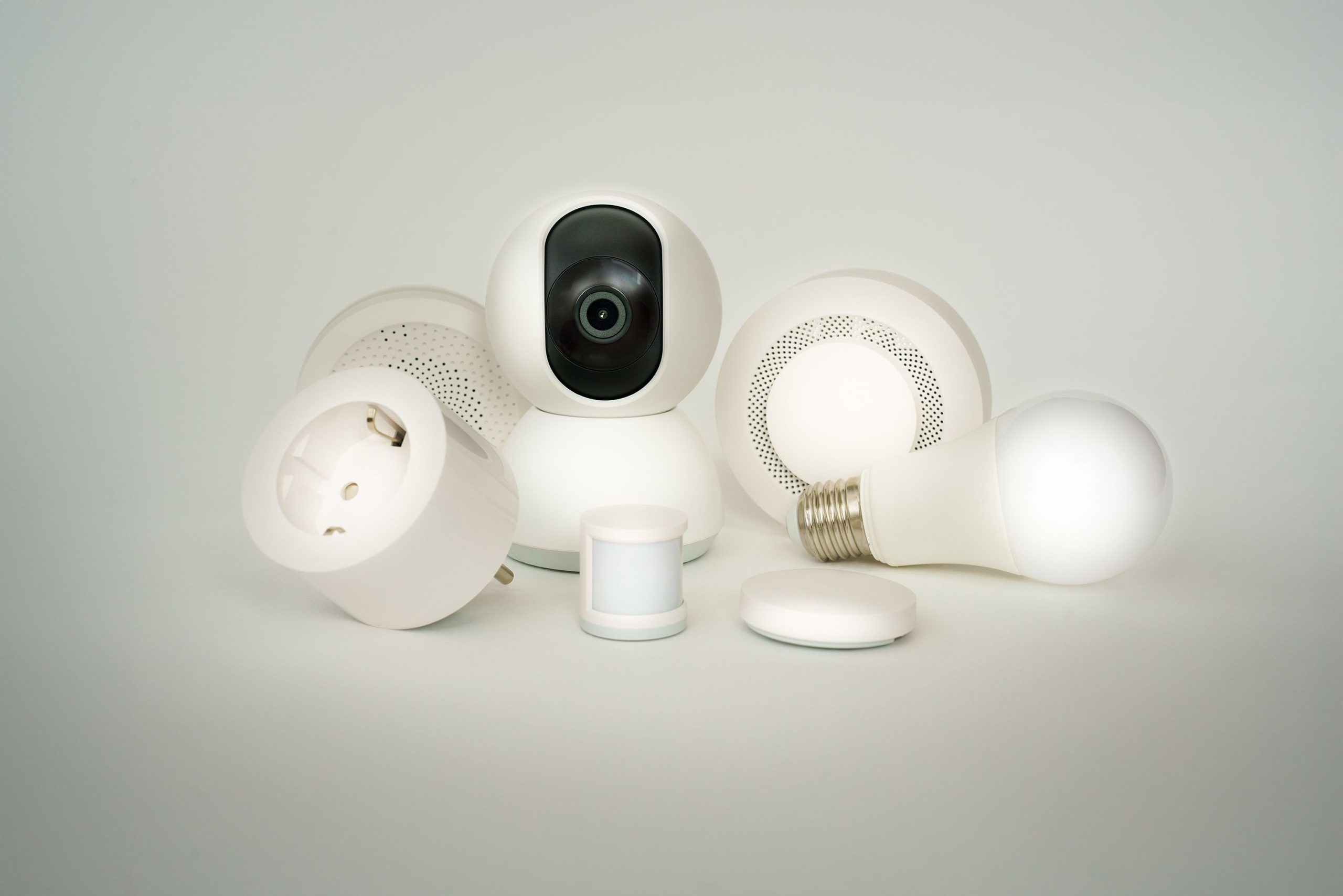
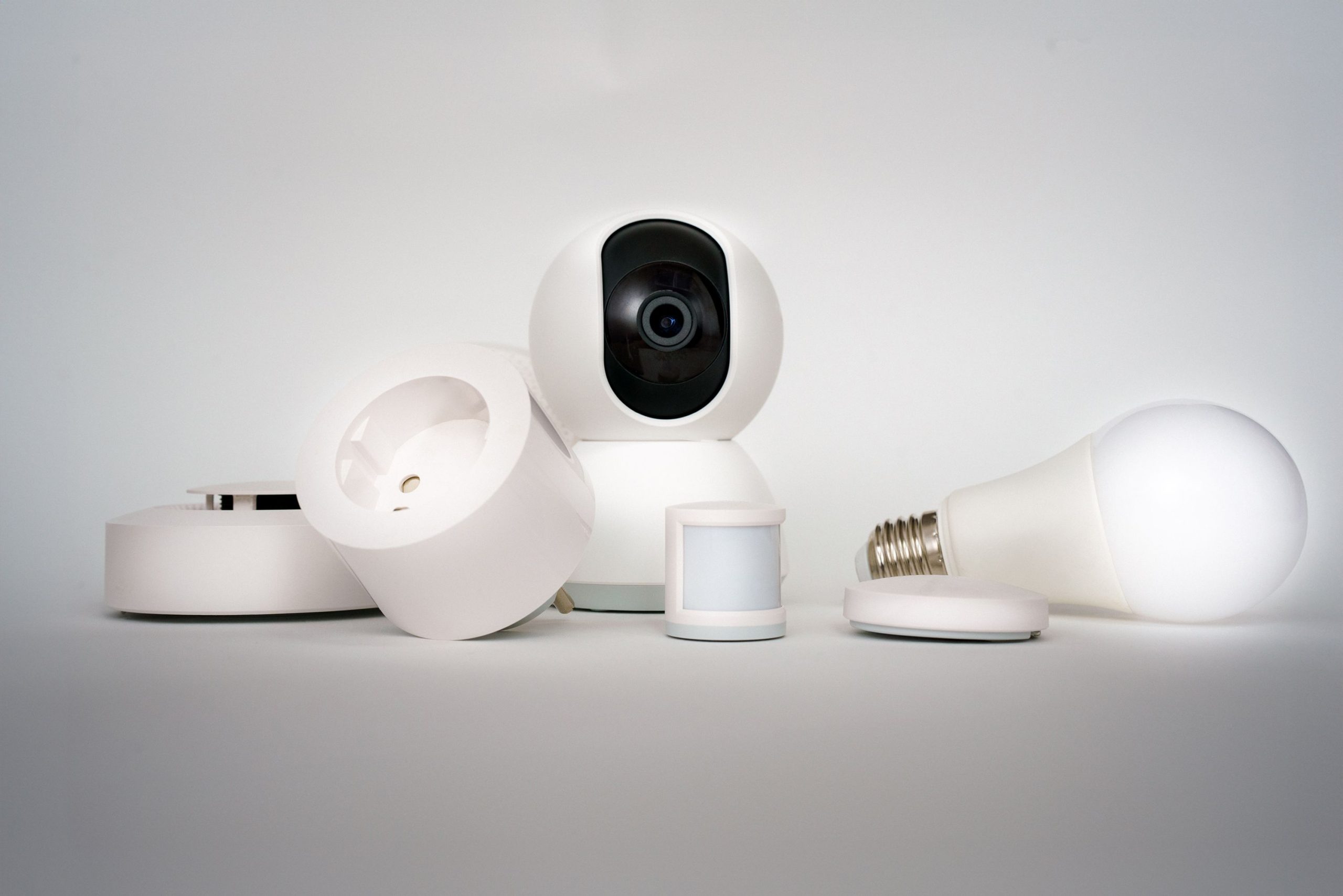

Somewhere out there is a drawer with an expensive smart hub sitting in it, still paired to exactly one device, bought in a burst of excitement that never went anywhere. That is the most common way a smart home budget gets wasted, not a bad product, but the wrong first product. Here is a tiered plan that avoids it.
Tier 1: Under $75
Start with a voice-controlled speaker, since it becomes the control layer for everything you add later, plus a couple of smart plugs so you get an immediate, tangible result: any lamp or appliance becomes schedulable and voice-controlled without buying a single smart-specific device.
- Amazon Echo Dot or Google Nest Mini, roughly $30-50
- A 2-pack of smart plugs (TP-Link Kasa is a reliable budget pick), roughly $17-25
Tier 2: Under $200
Add smart lighting to the room you actually spend the most time in, and a basic camera so you get real security value, not just convenience. This is the tier where a smart home starts to feel genuinely different from a normal home.
- A starter pack of smart bulbs (see our Smart Lighting guide for picks), roughly $40-55
- An indoor or video doorbell camera, roughly $60-100
Tier 3: $300-500
This is where the payback math actually starts working in your favor. A smart thermostat is the single highest-ROI device in this whole list, ENERGY STAR data puts average heating and cooling savings around 8%, which usually means the thermostat pays for itself within a year or two.
- A smart thermostat (see our Climate & Energy guide), roughly $80-250
- A proper smart lock, roughly $150-280
- A couple of leak or motion sensors for the areas that matter most, roughly $20-30 each
What to Skip at First
Skip a dedicated smart home hub until you actually own 8-10 devices. Most modern smart plugs, bulbs, and speakers work directly over Wi-Fi without one. A hub becomes worth its cost once you’re juggling enough devices that a single app and faster local response actually matter, not on day one.
Also worth knowing before you buy anything: if your home Wi-Fi already struggles to cover your house, fix that first. No smart device performs well on a weak signal, and a flaky network is the single biggest cause of “my smart home doesn’t work” complaints.
New here? Start with our full beginner’s guide before you buy anything.
Last Updated: August 2026