
Last updated November 20, 2026. Reviewed by the HomePilot editorial team.
Somewhere in your basement or utility closet, a water heater is crackling like popcorn. It sounds alarming. Most of the time, a water heater popping noise comes from minerals that have quietly piled up at the bottom of the tank for years.
Short answer: popping or rumbling is usually sediment. Water trapped under a layer of mineral buildup turns to steam, and the bubbles pop as they escape. Rheem recommends flushing the tank once a year, and another source suggests twice a year if you have hard water. Flushing often quiets the noise. If it continues afterward, the sediment may have hardened and it is time to call a plumber.
Why a water heater makes popping noises
Hard water carries calcium and magnesium, and some of it settles on the bottom of the tank as sediment. The heater then has to heat water through that layer. Water trapped beneath it flashes into steam bubbles that rise and pop. Gas heaters tend to sound sharper because the burner heats the tank bottom directly, while electric heaters more often rumble.
Signs it is time to flush
- Rumbling or popping noises during heating
- Rusty or cloudy hot water, especially if the cold water runs clear
- Energy bills that rise without any change in usage
- Less hot water than you used to get
How often should you flush a water heater?
| Situation | Suggested flush schedule |
|---|---|
| Soft water | Once a year |
| Hard water | Twice a year |
| Noise or cloudy water | As soon as you notice it |
| Tankless water heater | Descale about once a year, following the maker’s directions |
Your water hardness matters most. If you are not sure how hard your water is, see our guide to hard water and shower filters.
How to flush a tank water heater
- Turn off the power. Switch off the breaker for an electric heater, or set a gas heater to pilot or off. An electric heating element must never run in an empty tank.
- Let the water cool until it is only warm. Hot water can scald.
- Attach a garden hose to the drain valve near the bottom and run it to a floor drain or outside.
- Open a hot tap in the house to let air in, then open the drain valve.
- Drain the tank. When it is empty, open the cold supply for about 30 seconds to stir up and rinse out the leftover sediment, then drain again.
- Close the drain valve and remove the hose. Refill the tank fully until water runs steadily from the open hot tap, then turn the power or gas back on.
If your heater is many years old and has never been flushed, be careful. A drain valve clogged with hardened sediment may not close properly afterward, so consider having a plumber do it.
Does flushing save money?
Sediment makes the heater work harder, and Rheem lists higher energy bills, noise and a shorter lifespan among its effects. Some sources citing the Department of Energy say half an inch of sediment can cut a gas heater’s efficiency by roughly 10 percent, though figures vary. Water heating takes roughly a fifth of a typical home’s energy use, so even small gains matter. A replacement tank can cost $1,000 to $3,000 installed, while a flush costs a few minutes and a hose. Compare heater types in our tankless vs tank water heater cost guide and see the electric vs gas running costs.
Frequently asked questions
Is a popping water heater dangerous?
Usually it is a maintenance warning rather than an emergency. But if you see water leaking, smell gas, or the pressure relief valve is discharging, turn off the power or gas and call a plumber.
Can flushing stop the popping noise?
Often yes. Rheem says rumbling and popping are commonly caused by sediment that flushing can remove. If the noise continues, the sediment may have hardened and need professional treatment.
How often should I flush my water heater?
Once a year for most households, and twice a year if you have hard water.
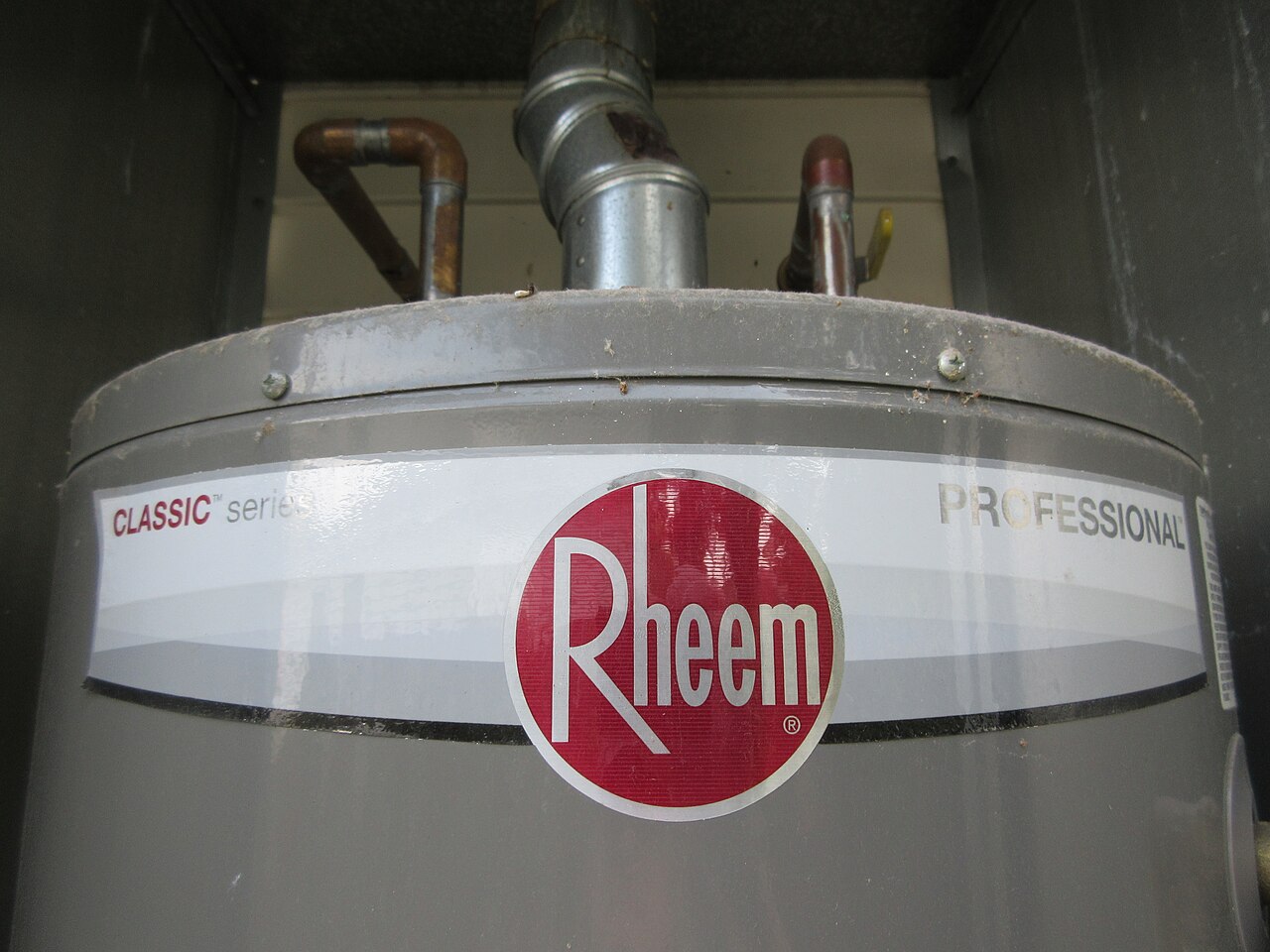
Featured photo: Infrogmation of New Orleans via Wikimedia Commons, licensed CC BY-SA 4.0.