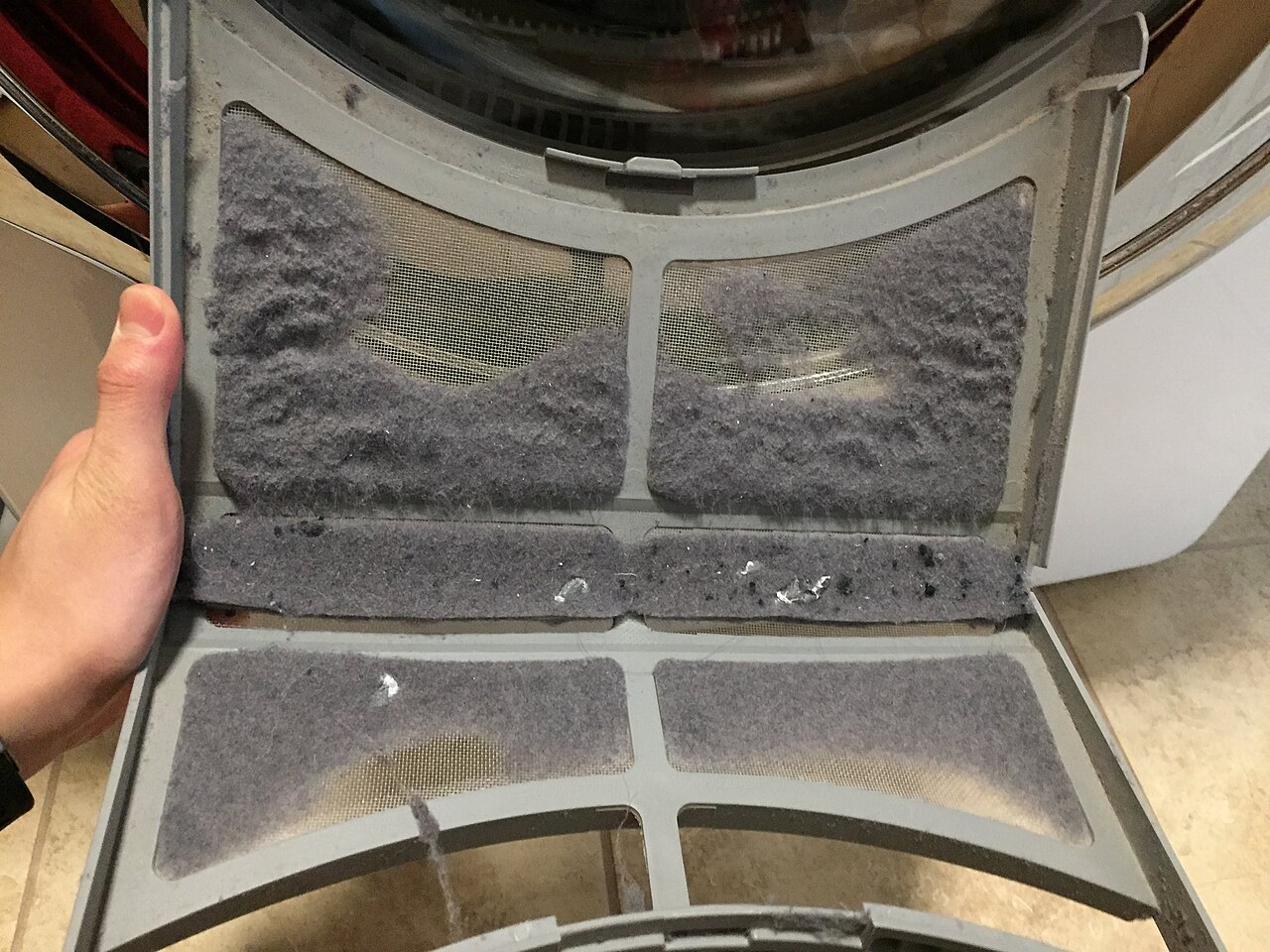

Last updated November 17, 2026. Reviewed by the HomePilot editorial team.
Your dryer now needs two cycles to dry a load of towels. You assume it is getting old. More often, it is suffocating: lint has quietly packed the vent, and the hot, damp air has nowhere to go.
Short answer: a clogged dryer vent is lint built up in the exhaust duct, and it is a real fire risk. The NFPA counts about 15,970 home fires involving washers or dryers each year, causing $238 million in damage, and a fire captain interviewed by KSL names poor maintenance as the leading cause. Clean the lint trap after every load and the vent at least once a year.
6 warning signs of a clogged dryer vent
- Clothes need more than one cycle to dry.
- The dryer or the clothes feel very hot at the end of a cycle.
- Laundry smells musty or feels damp even after a full cycle.
- The outside vent flap barely moves when the dryer runs. A healthy vent pushes it open.
- Lint collects around the vent hood or behind the dryer.
- The laundry room feels unusually warm or humid.
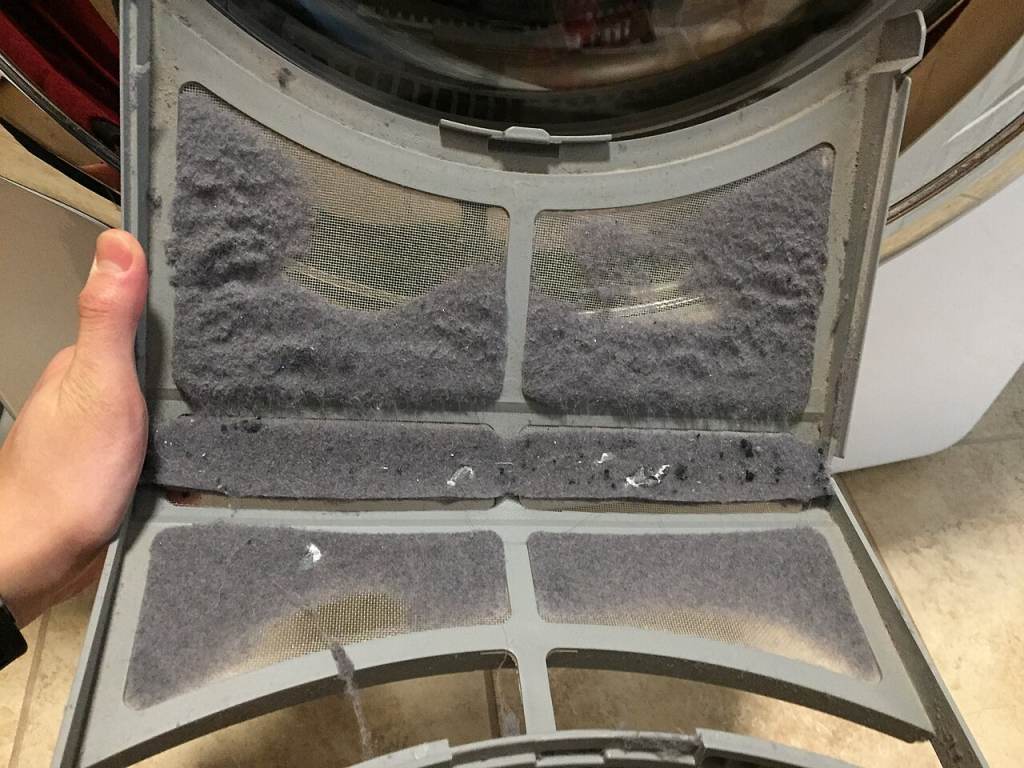
The lint trap only does part of the job. Lint that slips past it builds up in the duct, especially in flexible, kinked or very long runs.
A 2-minute dryer vent test
- Start the dryer on a normal cycle.
- Go outside to the vent hood.
- Check that the flap pushes open and you feel steady, strong airflow.
- Weak, pulsing or no airflow means the vent is restricted. Stop the dryer and clean the duct before using it again.
What a clogged vent costs you in electricity
When air cannot escape, loads take longer to dry. The table assumes a 5,000 watt electric dryer and 300 loads a year, using our usual $0.16 and $0.30 per kWh rates. Your dryer and habits will differ, so treat it as an illustration.
| Extra drying time per load | Extra kWh per year | Extra cost per year at $0.16 / $0.30 |
|---|---|---|
| 10 minutes | 250 | $40.00 / $75.00 |
| 15 minutes | 375 | $60.00 / $112.50 |
| 30 minutes | 750 | $120.00 / $225.00 |
A professional vent cleaning averages around $143, according to one home improvement site. The electricity savings alone may take a couple of years to repay that, but the fire risk is the bigger reason to do it. See what each load costs in our guide to washer and dryer cost per load.
How to clean your dryer vent
- Unplug the dryer. If it is a gas dryer, shut off the gas valve first, or call a pro.
- Pull the dryer away from the wall carefully and detach the duct.
- Vacuum or brush lint out of the duct, the dryer outlet and the vent hood.
- Check that the outdoor flap opens freely and is not stuck with damp lint.
- Reconnect with rigid or semi-rigid metal duct if you can. Flexible foil and plastic duct collect more lint.
- Run the 2-minute test again.
How often should you clean a dryer vent?
Empty the lint trap after every load, and clean the vent at least once a year. Do it more often if you do a lot of laundry, have pets or have a long vent run. If you ever smell something burning, stop the dryer. A fire captain interviewed by KSL advises keeping the dryer door shut if you suspect a fire, and calling 911.
Frequently asked questions
How do I know if my dryer vent is clogged?
Common signs are clothes that need more than one cycle, a dryer or laundry that feels very hot, a musty smell, and an outside vent flap that barely moves when the dryer runs.
How often should I clean my dryer vent?
Clean the lint trap after every load and the vent at least once a year. Heavy laundry loads, pets and long vent runs call for more frequent cleaning.
How much does dryer vent cleaning cost?
One home improvement site puts the average professional cleaning at around $143. Cleaning it yourself costs little more than a vacuum and a vent brush.
Featured photo: Atomicdragon136 via Wikimedia Commons, licensed CC BY 3.0.